Alpine Expedition Command

PREPARE THE VEHICLE. READ THE MOUNTAIN. DRIVE THE ROUTE.

High alpine trails don't suffer bravado or rushed setups. Real mountain travel isn't about plowing through pristine backcountry—it's an exacting discipline of mechanical resilience, elevation awareness, convoy harmony, and knowing when to let the pass win.

2,800m+ Operating Ceiling
1:1 Gear & Skill Balance
Low-Impact Trail Ethics
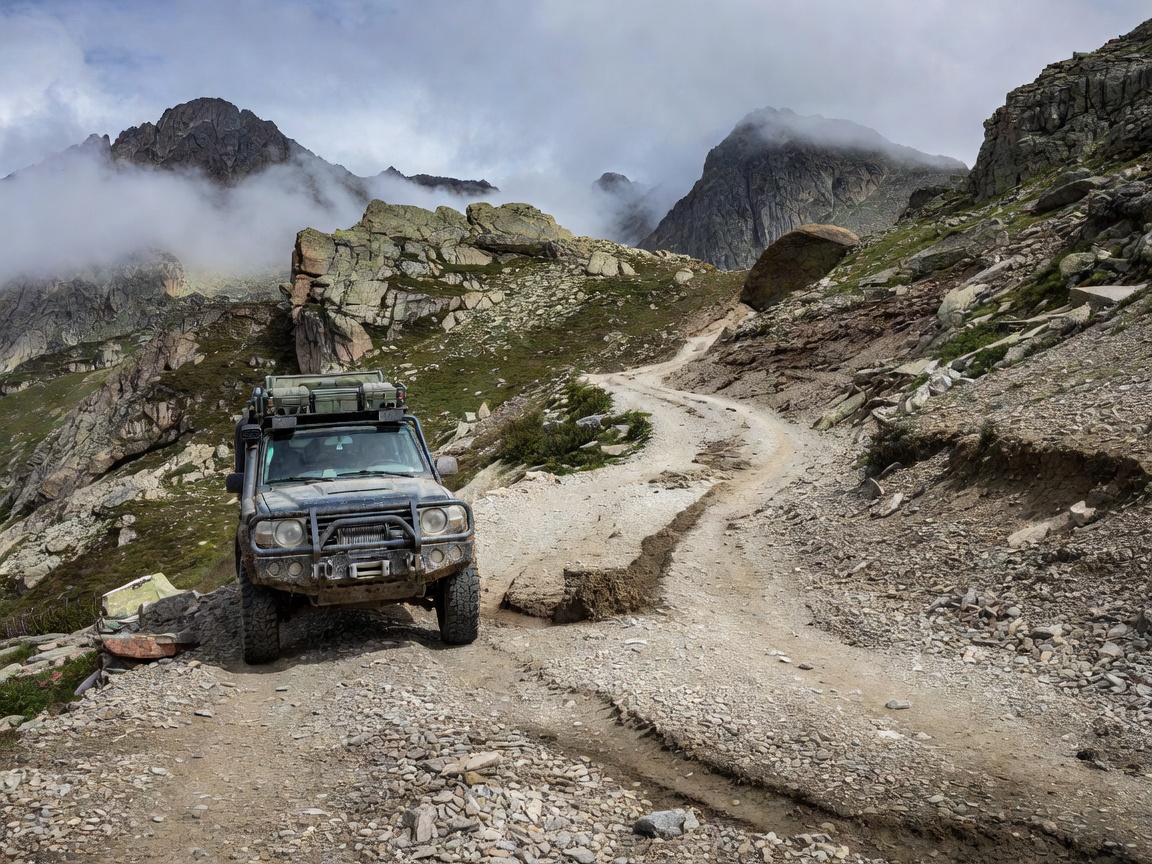
Outfitted expedition four-wheel-drive vehicle parked on a technical alpine gravel pass
Methodology

THE EXPEDITION PROCESS

Before your tires hit the loose shale of a 2,000-meter pass, every variable must be deliberate. We structure every mountain passage around five unshakeable phases.

01

ASSESS

Evaluate driver stamina, vehicle payload thresholds, mechanical condition, and real-time mountain meteorological stability.

02

PREPARE

Rigid underbody armor, dialed tire pressures, calibrated recovery anchors, dual filtration, and weight distribution tuned for steep cambers.

03

PLAN

Build primary routes with fallback escape roads, calculate realistic 12 km/h progress rates, and confirm fuel reserves for low-range crawling.

04

EXPLORE

Navigate switchbacks with disciplined convoy spacing, clean radio calls, continuous tire temperature tracking, and zero trail erosion.

05

RETURN

Conduct thorough post-descent mechanical walk-arounds, re-torque wheel lugs, repressurize road rubber, and log trail observations.

Expedition Knowledge Core

ESSENTIAL PILLARS OF ALPINE OVERLANDING

Practical, real-world knowledge distilled from hundreds of hours in high valleys, rocky switchbacks, and unpredictable mountain weather.

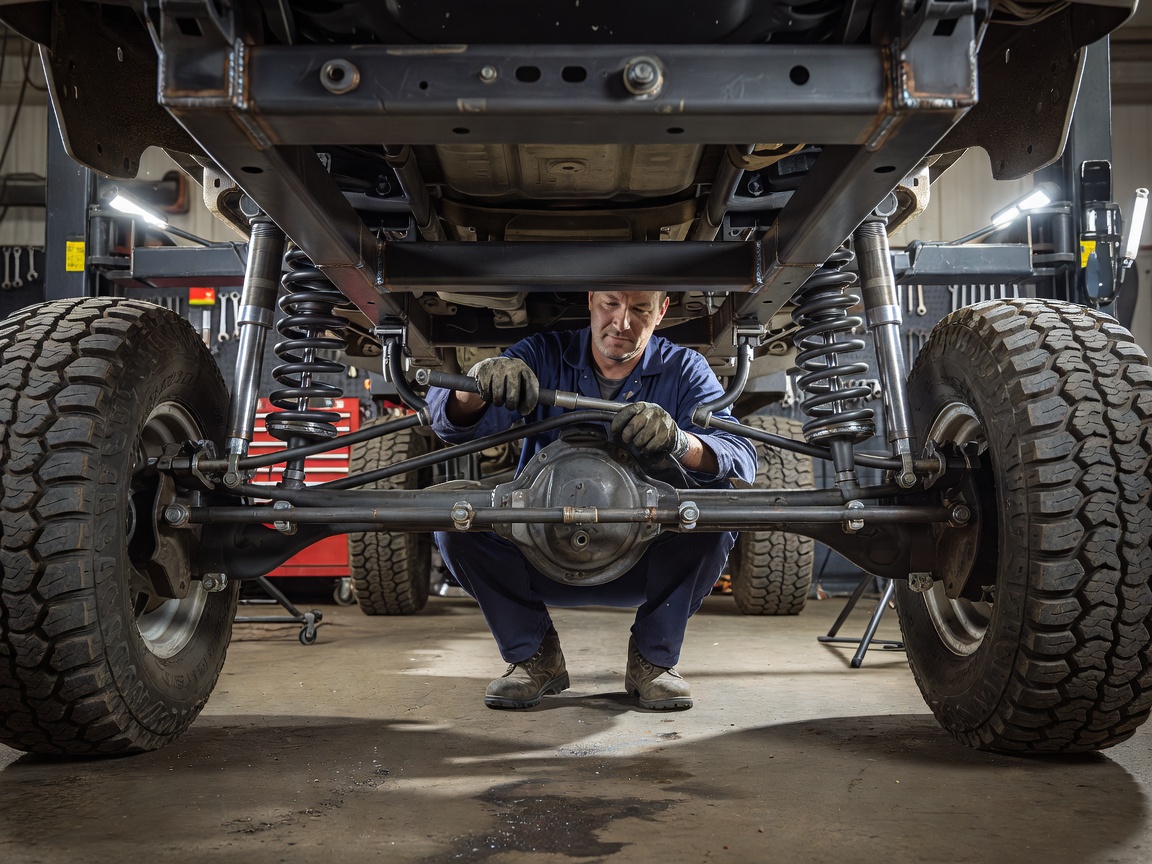
Heavy-duty four-wheel drive chassis and all-terrain suspension inspection
Mechanical Readiness 8 min guide

4x4 Expedition Preparation

Your truck isn't just transport up here; it's your primary life-support shelter. We break down the delicate balance between payload weight, tire load indices, differential breathers, dual battery charging, and the difference between true necessity and rooftop deadweight.
Armor & Skid Plates Tire Load Index Dual Comms
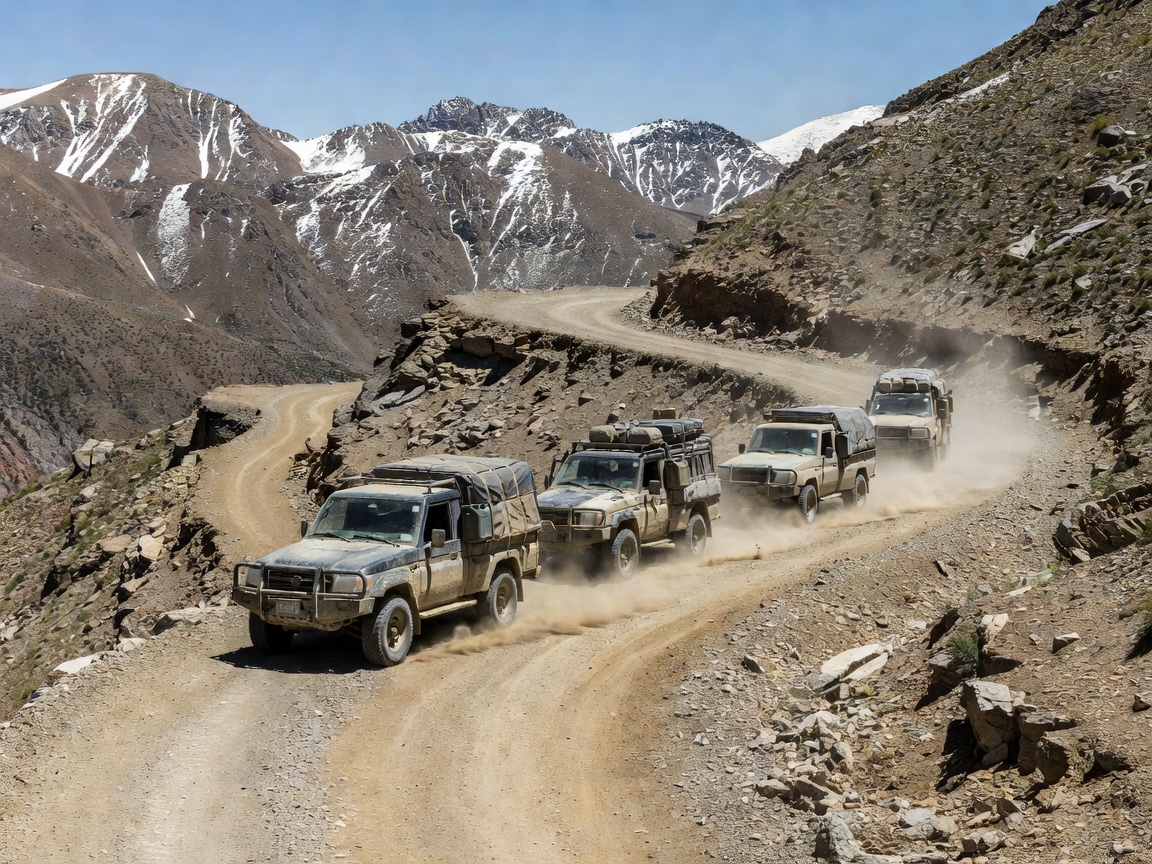
Small convoy of four-by-four expedition trucks traversing high altitude switchback
Field Guidance 9 min guide

Guided Alpine Off-Road Trips

There is a massive gulf between solitary trail wandering and rolling with an experienced mountain lead vehicle. Discover convoy protocols, line spotting through rock gardens, radio discipline, and why group composure keeps stress low when the clouds swallow the pass.

Convoy Etiquette Spotter Technique High-Angle Line
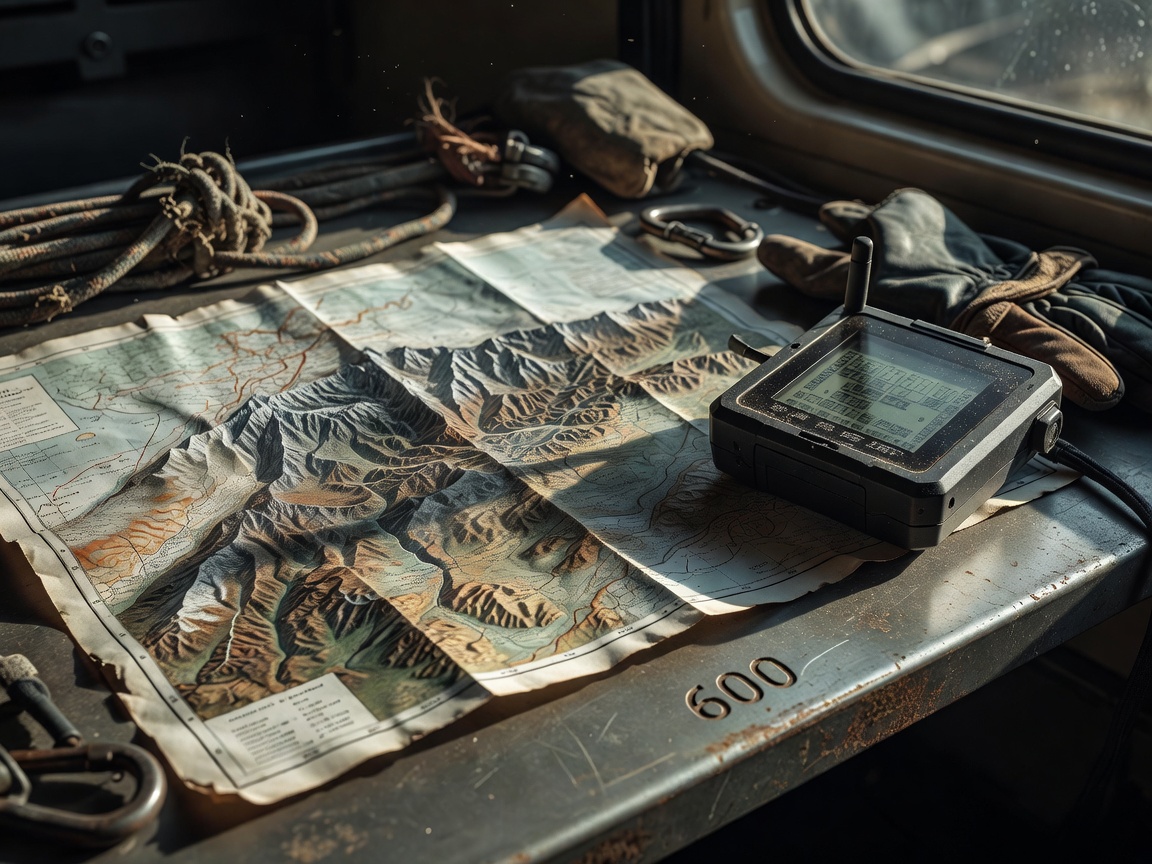
Topographic mountain map and satellite GPS terminal on expedition vehicle desk
Navigation Architecture 7 min guide

Mountain Route Planning

On paper, a forty-kilometer military ridge trail looks like a leisurely afternoon drive. In reality, washouts, fallen boulder fields, and 18% descents in low-range turn it into an eight-hour exercise. Learn how to map grades, calculate realistic transit rates, and pre-plan bailouts.

Elevation Profiles Bailout Routes Transit Math
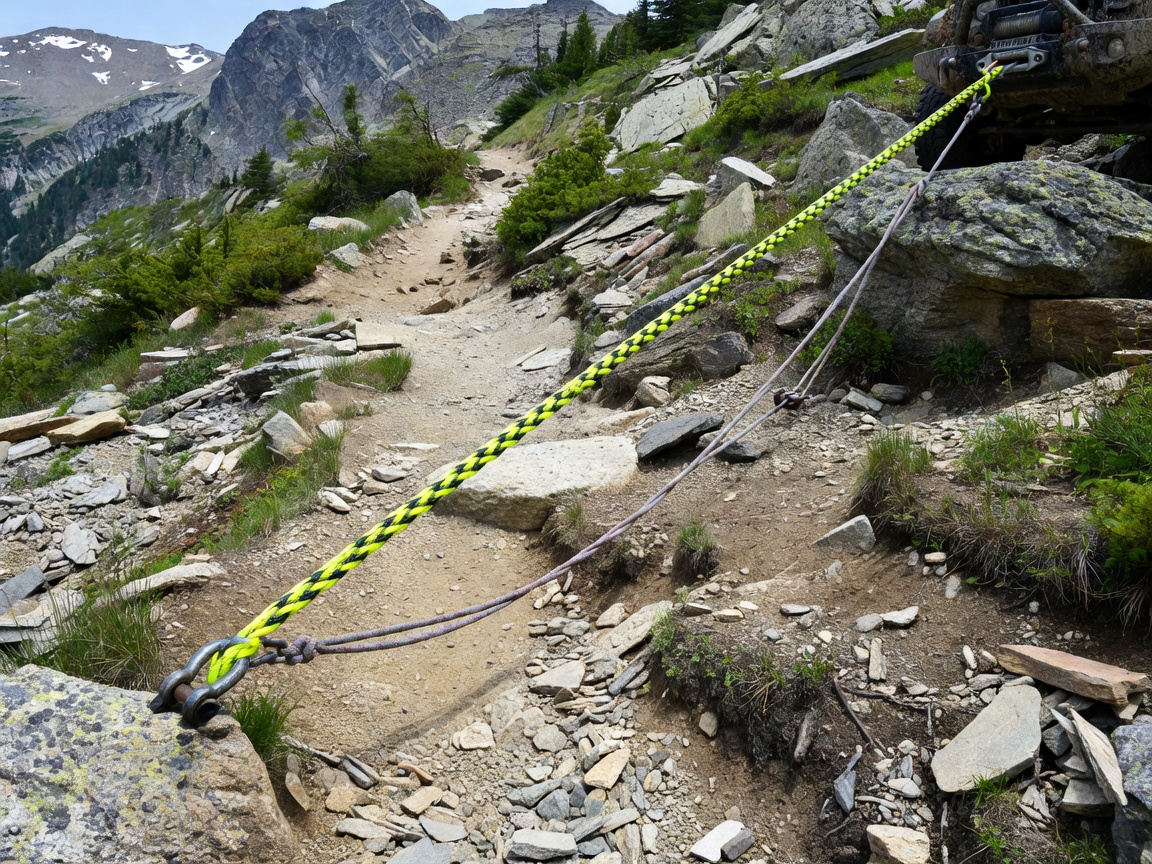
Synthetic winch line and kinetic recovery gear rigged on a steep alpine trail slope
Safety & Rigging 8 min guide

Vehicle Recovery and Safety

When gravity, moisture, and scree conspire to arrest your forward momentum on an exposed shelf, improvised recoveries turn dangerous fast. Understand rated anchor points, kinetic bridle physics, synthetic winch precautions, and the supreme wisdom of stopping to assess.

Rated Recovery Points Bridle Physics No-Go Rules
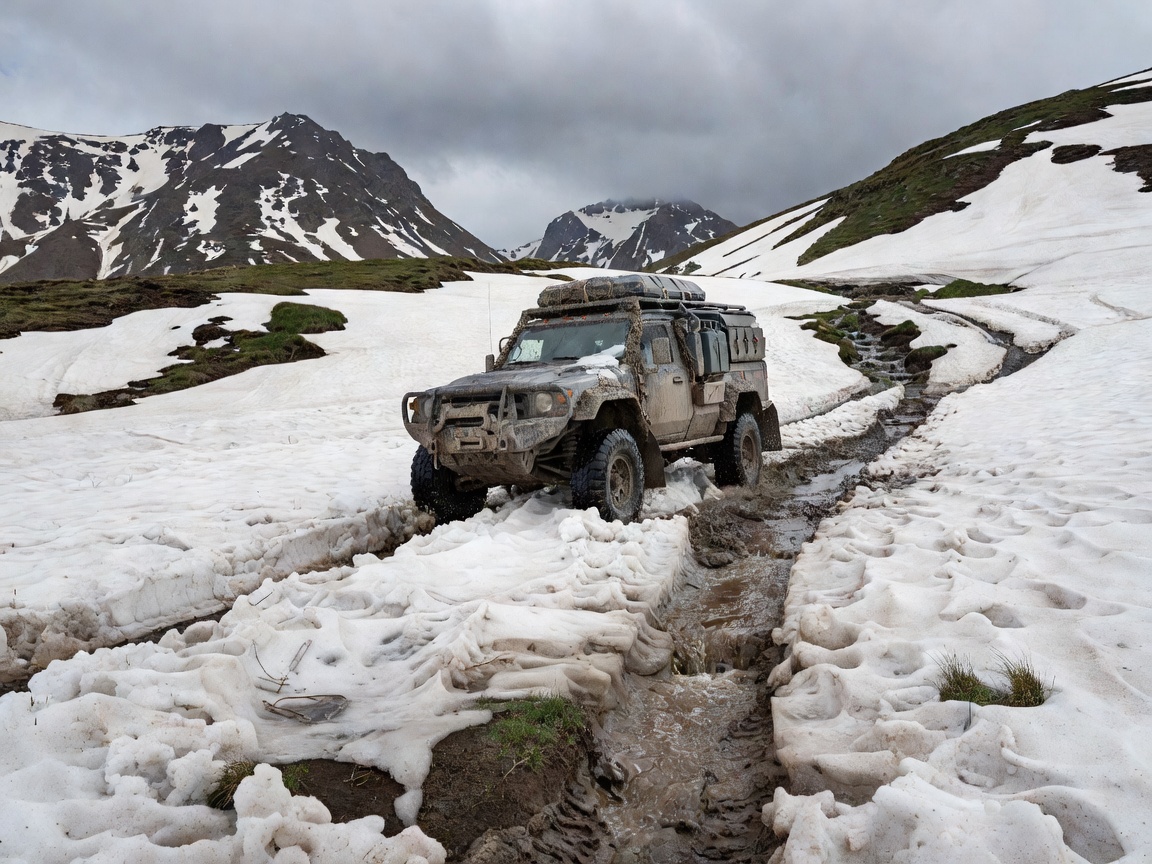
Expedition vehicle moving through late spring snow drifts and melting mountain mud
Alpine Chronology 7 min guide

Seasonal Alpine Expeditions

An alpine trail in mid-July is a friendly ribbon of dry limestone gravel. The exact same shelf in late October is an unplowed glaze of black ice and damp clay. We analyze how high-altitude seasons dictate gear loadouts, daylight windows, and tire rubber compounds.

Thermal Inversion Snowpack Melt Daylight Margin
Ethical Tread

WHY ALPINE 4x4 EXPEDITIONS DIFFER FROM ORDINARY TOURING

Down in the lowlands, a tire spin on a muddy lane leaves a puddle that washes out in the next heavy rain. Above 2,000 meters, ripping a tire through alpine sod creates a scar that takes twenty to thirty years to regenerate.

Stay on Established Tracks

Never bypass an obstacle by riding up delicate slope flora. If a fallen rock blocks the route, stop, winch or roll the boulder aside, or turn around.

Low-Range Crawling Over Momentum

Wheel spin destroys tracks and stresses differentials. True alpine driving relies on low transfer gearing, gentle throttle modulation, and deliberate wheel placement.

Quiet Presence & Wildlife Respect

Keep speeds under 20 km/h, manage exhaust noise, and maintain extreme care around free-grazing mountain cattle, ibex, and hiking parties.