When you're creeping up a 22% grade in second low, 120 kilometers from the nearest parts counter and with the barometer plunging, the only modifications that matter are the ones keeping fluids cool, tires gripped to damp schist, and steering linkages straight. Let's dig into how to build a balanced alpine machine.
1. Pre-Trip Vehicle Inspection & Mechanical Baselines
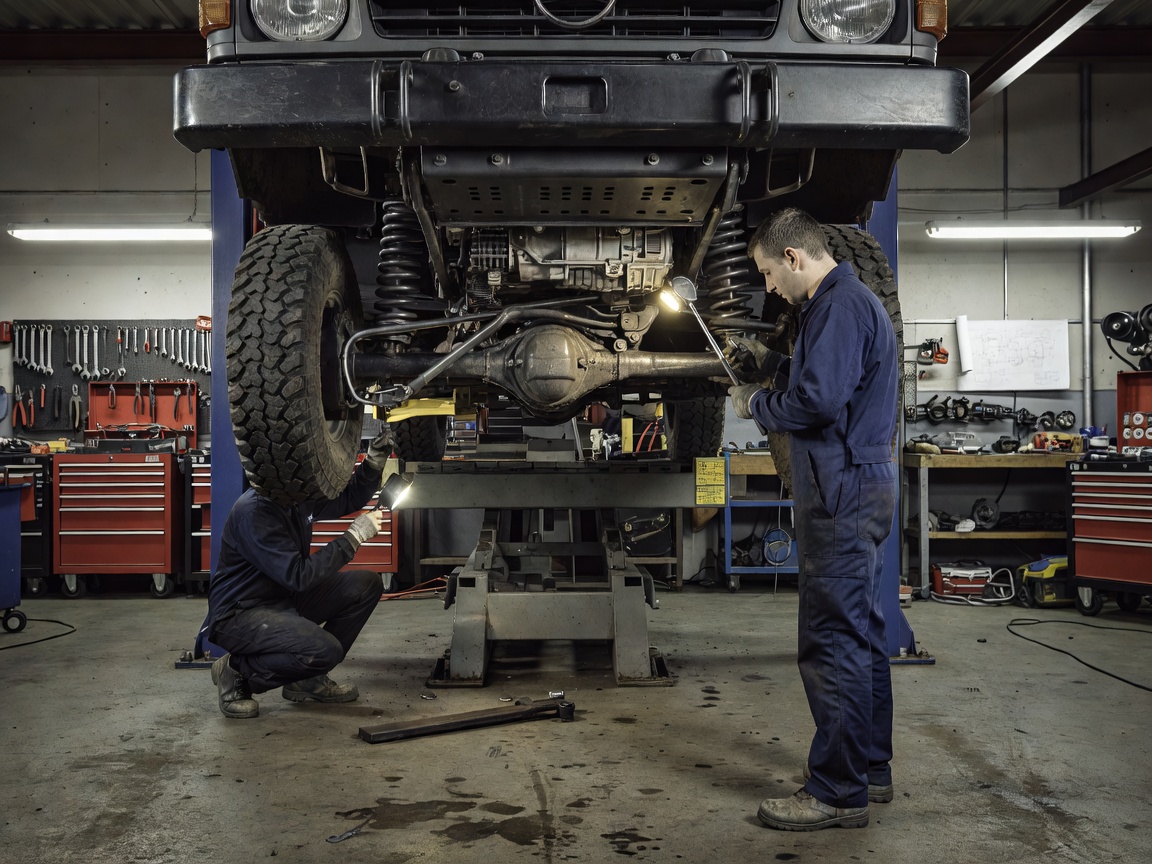
Before you spend a single pound on recovery gadgets, get under the chassis with a torque wrench and an inspection torch. Alpine driving exposes every existing weakness. Steep descents boil degraded brake fluid; continuous low-range crawling cooks tired differential gear oil; and high torque loads sheer worn universal joints.
Start with cooling: mountain passes mean high engine load combined with low forward vehicle speed, drastically reducing airflow through radiators. Inspect fan clutches, verify thermostat operation, and pressure-test cooling caps. Inspect tie rods, drag links, and ball joints for zero axial play. In rocky terrain, a loose rod end will snap when dropped onto a ledge.
2. Tires and Traction Considerations
Tires are your single direct connection to jagged alpine limestone. Highway-terrain tires with thin 2-ply passenger-rated sidewalls are completely unsuited; one sharp scree edge will slice a sidewall beyond plugging.
- All-Terrain vs. Rugged Terrain: Quality heavy-duty All-Terrain (A/T) or hybrid Rugged-Terrain (R/T) tires with 3-ply sidewall construction and an E load rating are ideal.
- Tire Pressures: On pavement, you might run 2.4 bar (35 psi). On loose rock and scree, dropping to 1.3–1.6 bar (19–23 psi) elongates the footprint, dramatically increasing traction and reducing puncture risk as the casing molds over rocks instead of puncturing.
- Full-Size Matching Spare: Always carry a full-size spare matching identical brand, diameter, and wear depth to prevent damaging locking differentials when mounted.
3. Ground Clearance and Underbody Protection
Moderate lift kits (typically 40mm to 50mm) provide approach and departure clearance without introducing extreme driveline angles that stress CV joints. However, clearance alone won't save you when a boulder rolls beneath your truck.
Quality aluminum or 4mm steel skid plates covering the front steering gear, engine sump, transfer case, and transmission pan are mandatory. Fuel tank protection and heavy-duty rock sliders mounted directly to the chassis rails will save expensive body sills from devastating crush damage when pivoting around hairpin switchbacks.
The Weight-Distribution Trade-Off
Every kilogram placed on your roof rack raises your center of gravity, which creates terrifying body roll on high-angle alpine side slopes. Keep heavy fluids, recovery tools, and spare parts mounted low down inside the wheelbase.
4. Lighting, Visibility and Communication Equipment
Alpine weather can change from bright sunshine to dense mountain fog within fifteen minutes. Standard high beams reflect back off mist like a white wall.
Equip low-mounted, amber-lensed fog or driving lights aimed at the immediate track edges. For inter-vehicle coordination, reliable UHF/VHF two-way transceivers or digital radios are essential. High ridges often block cellular coverage entirely, so redundant satellite communicators (such as Garmin inReach or ZOLEO) allow two-way emergency messaging anywhere in the mountain range.
5. Spare Parts, Basic Tooling and Fluids
You don't need a mobile hardware store, but you do need targeted spares tailored to common failure points:
| Category | Essential Field Spares | Primary Purpose |
|---|---|---|
| Filtration & Fluids | Engine oil (1L), brake fluid (500ml), spare serpentine belt, fuel filter | Emergency top-ups and immediate trailside fuel contamination recovery |
| Tire Repair | Heavy-duty vulcanizing plug kit, core remover, spare valve stems, inner tube | Field puncture repair without requiring spare dismount |
| Hardware | High-tensile metric bolts, stainless hose clamps, self-fusing silicone tape | Temporary securing of brackets, heat shields, or split coolant hoses |
| Electrical | Assorted blade fuses, automotive wire, crimp tool, digital multimeter | Diagnosing fan circuit failures and ignition drops at altitude |
6. Short Day Trips vs. Multi-Day Alpine Overlanding
A four-hour daylight climb to an abandoned military bunker demands minimal gear: basic recovery kit, air compressor, first aid, and warm weather layers. Multi-day traverses, however, demand self-sufficient thermal shelter, reliable 12V auxiliary refrigeration to avoid spoiled food, secondary lithium or AGM power reserves, and minimum 20 liters of potable water per person.
To dive deeper into navigating these demanding corridors once your vehicle is built, read our in-depth guides on Mountain Route Planning and Vehicle Recovery & Safety.